What Is Ticket Vending Machine – The Smart Way to Simplify Travel and Events
In the modern world, convenience and efficiency have been paramount. Step on the ticket vending

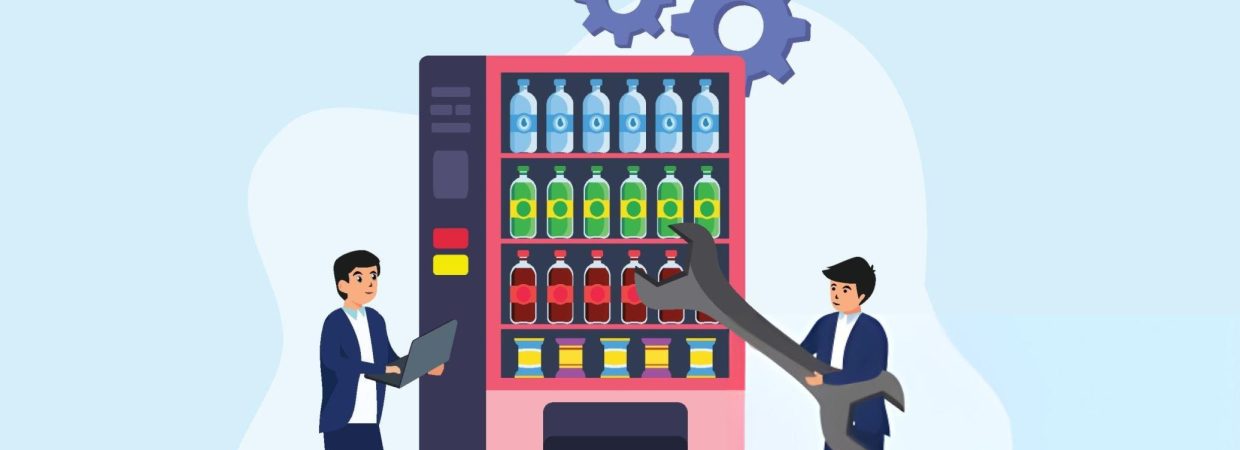
The major vending machine components include the bill validator, coin mechanism, control board, credit card reader, vending motor, refrigeration unit, dispensing tray, and vending lock. Each part plays a part in accepting payments, storing products safely, and delivering products efficiently to customers.
Behind every snack or beverage you buy from a vending machine is an assembly of very clever and connected machinery. All vending machine components work together in order to make every transaction go smoothly & every product perfectly dispensed.
Whether you’re a new vendor or an experienced operator, it’s important to know what the key vending machine components are to help ensure the continuity of your machines, to help eliminate any downtime, and to increase reliability. In this guide, we’re going to learn what vending machine components do, how they work, and why you need to maintain a consistent state of them to have consistent sales.
The bill validator is responsible for checking and accepting paper money. It uses sensors to check the authenticity of each individual bill on the basis of size, thickness, and magnetic ink patterns.
If a bill fails the security check, the validator rejects it and sends it back to the customer. Cleaning out the validator regularly helps prevent jams and ensures smooth transactions.
The coin mechanism measures and sorts coins using sensors that analyze the size, weight, and metal composition of the coin. It is responsible for accepting only genuine coins and sending the data to the control board for price matching.
A faulty coin mechanism can prevent a machine from accepting change, so it’s important to keep it dust-free and occasionally recalibrate it.
As more people make use of cashless transactions more than ever before, the credit card reader has become one of the most critical vending machine components. It enables customers to use debit or credit cards, and even mobile wallets such as Apple Pay or Google Pay.
Adding a reader to your vending machine can lead to sales increases of up to 40 percent. Modern readers interact with the system using MDB (Multi-Drop Bus) connections to ensure fast and secure transactions.
The control board is the “brain” of the vending machine. It interconnects all major components and is used to command payment, product choice, and delivery.
When a customer selects an item, the control board activates the vending motor, updates the stock count, and transmits data to the operator’s management software.
This motor actually moves the chosen product from its rack to the dispensing tray. In snack machines, spiral motors are used for rotating coils in order to release something, and in drink machines, a mechanical lift or push is used.
A well-functioning motor assures every product drops smoothly, eliminating jams that result in refunds or a frustrated customer base.
Cold food and beverage vending machines rely on this unit to keep their food and beverages cold. Modern refrigeration systems are energy efficient and have automatic defrosting features.
Choosing ENERGY Star certified units can save up to 30-40% in energy use, which can save the operator on electricity while helping them keep products fresh.
The dispensing tray is where the product is placed for pickup. It’s typically shock-absorbing and angled forward a bit toward ease of reach.
If a tray becomes damaged or loose, this can cause products to fall in an improper way or become stuck. Replacements are relatively cheap and readily available from internet sources.
Security is crucial for the protection of both cash and stock. Vending machines are equipped with one or more locks, keyed, combination, or electronic.
High traffic areas benefit from biometric or digital locks, which provide better access control. Regularly lubricating the lock to help prevent rust and sticking.
Modern vending machines also have sensors to detect when a product is out of stock, or a vend doesn’t go through. Touchscreen displays have replaced the traditional keypad in the more recent models to provide a better user experience and to visually promote featured items.
Improvements in vending machine technology have added new levels of intelligence to these components:
In short, these innovations enable vending to become more reliable and profitable.
Preventive maintenance can help prevent downtime and protect your investment. Here are quick tips:
While a vending machine may look very basic from the outside, inside it’s an orchestra of high-tech vending machine components striking all the right chords. By keeping these key aspects of your vending machine well-maintained, you can ensure its longevity, keep your customers satisfied, and avoid expensive fixes.
Getting a handle on the way that each part functions makes this process much easier and allows the business to return to normal (and more importantly profitable) operation each day.

In the modern world, convenience and efficiency have been paramount. Step on the ticket vending
Coffee is one of the most beloved beverages worldwide. Many people get a cup of
The most profitable vending machines in 2025 include bulk vending machines, ice vending machines, cold